Heilongjiang Province
❄️ Harbin
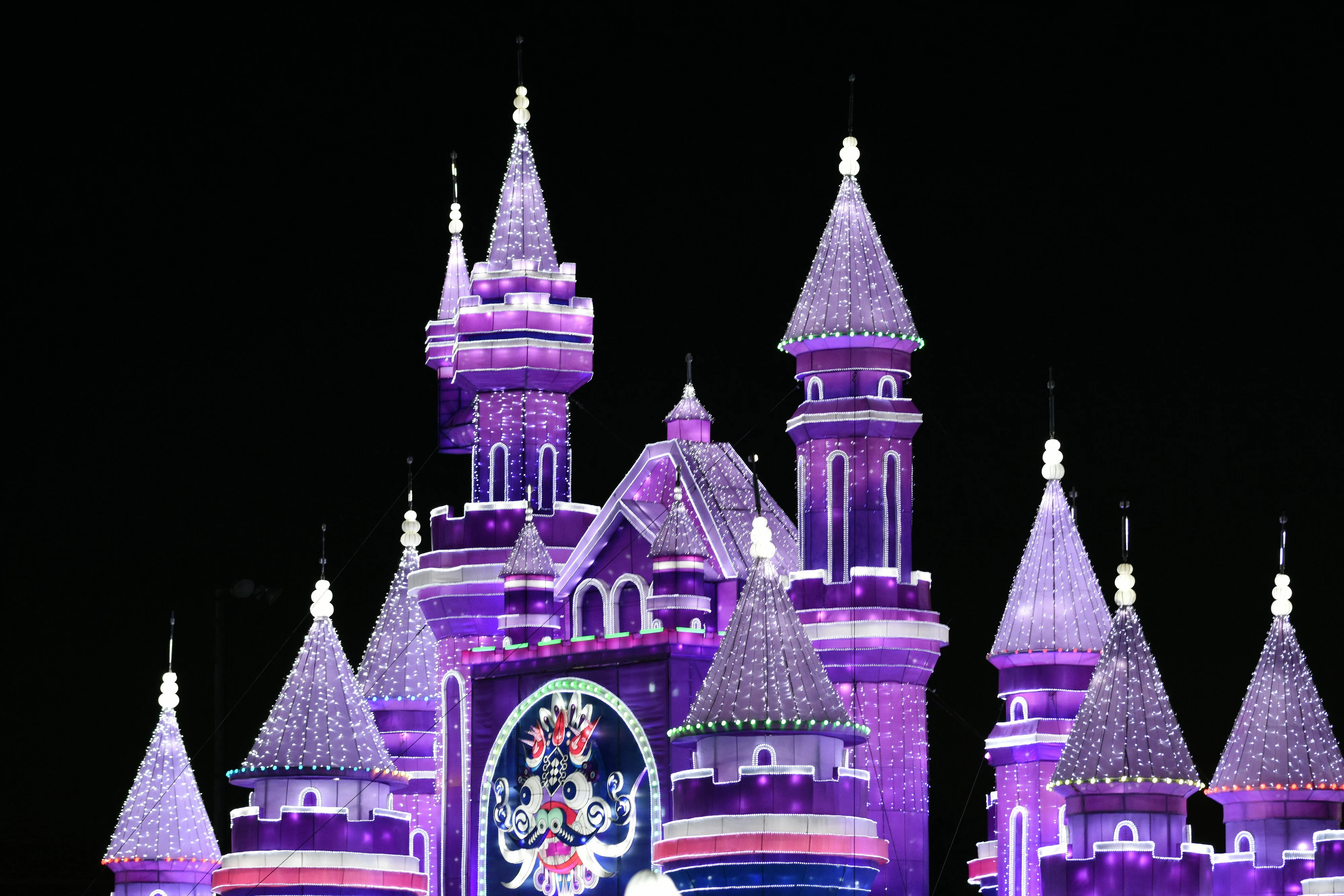
Every January, Harbin transforms into the world's largest ice sculpture festival — a surreal kilometre-scale city of illuminated frozen towers, slides, and palaces. The Russian architectural legacy of Zhongyang Street is worth the visit even in warmer months.
- ⭐ FIT Rating
- 7.5/10
- 🕐 Ideal Stay
- 2–3 days
- 🗣️ English
- Low — prepare translation apps and written Chinese addresses
- 📱 Digital
- Good
Why this city
Be honest with yourself about why you’re going to Harbin. The city is a serious journey north — farther from Shanghai than Istanbul is from London — and it earns the trip in exactly one circumstance: you’re visiting during the ice festival in January, when it becomes one of the most extraordinary environments a human can stand inside. If you’re visiting in any other month, Harbin is an interesting and historically unusual Chinese city with good food and a distinctive Russian architectural legacy. It is not, then, a destination that competes with Xi’an or Guilin for a first-time China visitor’s limited days.
This entry is written primarily for the winter visitor.
The Ice and Snow World festival runs from late December to late February. It is centred on a purpose-built temporary city — approximately 600,000 square metres — constructed entirely from blocks of ice cut from the frozen Songhua River. The blocks are lit internally with coloured LEDs, carved into replicas of landmarks, temples, palaces, and abstract sculptures up to 30 metres high, and set into a navigable maze of streets and viewpoints. At night, in −25°C, surrounded by glowing ice towers in blue, red, green, and white, it does not look like something that exists in the same category of experience as conventional tourism.
The city also runs three other simultaneous festivals: the Sun Island Snow Expo (large-scale snow sculptures on an island in the Songhua River), the Zhaolin Park ice lantern festival (smaller, older, within the city), and ice activities on the frozen river itself. Together, they occupy two to three days comfortably.
The signature experiences
Ice and Snow World (冰雪大世界). The main event. Go after dark — the illuminations are the entire point, and the daytime version is a pale imitation. Arrive around 6pm as darkness falls; the lights activate around 5:30pm and the crowds peak around 8–9pm. Plan two to three hours. Dress as if you are going to stand still outside for three hours at −25°C, because you are. The site has heated rest stations; use them. Tickets: ¥330 (2025 pricing); book online in advance in January — it sells out on weekends.
Sun Island Snow Expo (太阳岛雪博会). Across the Songhua River from the city center, accessible by gondola over the frozen river or by taxi. Large-scale snow sculptures — some the size of buildings — on a theme that changes annually. Less spectacular than Ice and Snow World but a different aesthetic. Budget two hours; a morning visit when the light is flat makes the textures more visible. Tickets: ¥260.
Zhaolin Park ice lanterns (兆麟公园冰灯). The oldest of the Harbin winter festivals, running since 1963. Ice sculptures at a much smaller scale than Ice and Snow World, lit from within, in a compact park. More accessible for children and people with mobility limitations. The intimate scale makes it the most photographically interesting of the three festivals. Evening visit recommended. Tickets: ¥200.
Zhongyang Street (中央大街, Central Avenue). An 1,450-metre pedestrianised street built by the Russian and European populations during the 1898–1945 period when Harbin was effectively a Russian colonial city. The architecture is a strange mixture of Art Nouveau, Baroque, and Eclectic Revival styles that belongs to no other city in China. Better in daylight for architecture; better in the evening for the holiday atmosphere in winter. The street food — including locally famous Harbin sausage and Madie’er (马迭尔) ice cream, eaten outside even at −20°C — is a ritual.
St. Sophia Cathedral (圣索菲亚教堂). A Russian Orthodox cathedral completed in 1932, now deconsecrated and converted into the Architecture and Art Center of Harbin. The Byzantine dome is the most recognizable landmark in the city center, visible for blocks in every direction. The interior exhibits cover Harbin’s history as a Russian railway town; more interesting as architecture than as a museum.
Ice activities on the Songhua River. In January, the Songhua freezes solid enough to support vehicles. The riverbanks become a temporary amusement area: ice sledges, horse-drawn carriages on ice, ice fishing holes, and a zip line across the river. Popular with domestic tourists; entirely optional but useful for an hour of kinetic activity after the static experience of the sculpture parks.
Siberian Tiger Park (东北虎林园). A controversial attraction — the largest Siberian tiger breeding facility in the world, with over 100 animals. The visitor experience involves tigers in large enclosures (reasonable) and, optionally, feeding live chickens or ducks to tigers from a minibus (less defensible on welfare grounds). The tigers are in genuinely better condition than many comparable facilities. Visit with awareness of the ethical landscape rather than in ignorance of it; decide in advance whether the live-feeding activities are something you want to participate in.
The neighborhoods
Daoli district. The historic Russian-era core of the city. Zhongyang Street, St. Sophia Cathedral, the old YMCA building, and most of the Art Nouveau commercial architecture are here. The best hotels for first-time visitors are also in Daoli, within walking distance of Zhongyang Street. In January, the entire district is decorated for the ice festival season with lighting that extends well beyond the official festival venues.
Nangang district. The main transport hub area, where Harbin Railway Station and most of the long-distance bus terminals are located. More Soviet than European in architectural character — wide boulevards, large institutional buildings. Convenient for arrivals and departures but not the most interesting district to stay in.
Songbei district. North of the Songhua River, across the new bridge. Ice and Snow World and Sun Island are both here. Largely modern development built in the 2000s with the festival infrastructure in mind. No reason to stay here unless you’re attending a specific event; the taxi ride from Daoli takes 20 minutes.
Daowai district. East of the historic center, less visited by international tourists. The older Chinese merchant-quarter architecture here — distinct from both the Russian-era buildings and the modern city — survives in pockets around Jingyu Street. Worth an afternoon for anyone interested in urban history or architecture.
Food
Harbin cuisine belongs to the Dongbei (Northeast Chinese) tradition — hearty, preserved, and built around the practical requirements of a borderland culture that spent half the year under heavy snow. It is the most Russian-influenced Chinese cooking you will encounter on the mainland.
Harbin red sausage (哈尔滨红肠, Hā’ěrbīn hóngcháng) is the city’s signature food export. A smoked sausage with origins in Lithuanian and Russian recipes brought by the railroad workers in the 1890s. Buy it vacuum-packed from the Qiulin food shop on Zhongyang Street (established 1900) rather than from street stalls; the quality differential is significant. It is best eaten cold, sliced thick, with dark rye bread.
Jiachang tofu (家常豆腐) and di san xian (地三鲜 — potato, aubergine, and pepper stir-fried together) are the essential Dongbei vegetable dishes. Simple and satisfying; order them at any local Dongbei restaurant.
Da lapi (大拉皮) are wide, semi-transparent sweet potato noodles served cold with sesame paste, cucumber, and chilli oil. A standard Dongbei cold starter; refreshing even in winter.
Borscht (红菜汤, locally rendered as Luoshui or simply Borscht) exists on menus in the city as a direct Russian inheritance. The Harbin version is less rich than Russian original but recognizably in the same tradition. The Café Russia and similar establishments on Zhongyang Street serve it; treat it as cultural tourism rather than the meal highlight.
Harbin beer (哈尔滨啤酒, established 1900) is China’s oldest brewery and was originally built for the Russian railroad population. The draft version available in local restaurants is better than the bottled version found elsewhere in China.
For a full Dongbei meal, the restaurants on Jingyu Street in Daowai serve pork and pickled cabbage hot pot, braised lion’s head meatballs, and the full range of preserved food dishes that define the region’s winter cooking. Busy and cheap.
Getting around
Taxis and Didi. The primary transport mode in winter. Walking distances that would be pleasant in Shanghai are unpleasant at −25°C, and the metro network is limited. Didi works in Harbin through the Alipay mini-program. Budget ¥15–40 for most in-city journeys.
Metro. Harbin has three metro lines covering the city center and the main train stations. Line 1 runs along the spine of the Daoli/Nangang corridor and connects to the main railway station. Line 3 extends north toward Songbei and provides some access toward the festival venues. Not comprehensive enough to navigate the entire city without supplementing with taxis.
Walking on Zhongyang Street. The pedestrian zone is compact enough (1.5km) to walk even in cold weather, and the architectural interest is reason enough to spend time on foot. The street is heated overhead in some sections; the surrounding side streets are not. Wear appropriate footwear — the street surface in winter is a mixture of compacted snow and ice.
Festival shuttle buses. Both Ice and Snow World and Sun Island operate shuttle services from central Daoli during the festival season. These are often the fastest option at peak times when taxi demand exceeds supply. Ask your hotel about current shuttle routes and schedules; they change year to year.
To and from the airport. Harbin Taiping Airport is 40km from the city center. Airport Bus Line 1 runs to Harbin Railway Station (45 minutes, ¥20); taxis cost ¥80–120; Didi is slightly cheaper and more convenient in cold weather.
A 48-hour itinerary
This itinerary assumes a January visit.
Day 1 — Daytime city, evening Ice and Snow World.
- Morning. Arrive, check in to Daoli district hotel. Walk Zhongyang Street — architecture, Qiulin food shop for sausage, Madie’er ice cream (yes, outside, at temperature).
- Lunch. Dongbei restaurant near St. Sophia Cathedral.
- Afternoon. St. Sophia Cathedral and its immediate neighbourhood. Zhaolin Park ice lanterns (afternoon light is fine here).
- Early evening. Return to hotel to add an extra layer.
- Evening (6pm–9pm). Ice and Snow World. Budget three hours minimum.
Day 2 — River activities, Sun Island, departure.
- Morning. Ice activities on the frozen Songhua River (sledges, carriages, optional ice fishing).
- Late morning. Sun Island Snow Expo (cross by gondola from the riverbank).
- Lunch. On Sun Island or taxi back for Dongbei restaurant lunch.
- Afternoon. Siberian Tiger Park (allow 2 hours including transit) or, if skipping the park, explore Daowai district’s old Chinese merchant streets.
- Evening. Final Zhongyang Street walk for souvenir shopping (the Qiulin shop closes at 10pm). Departure flight or onward train.
A 5-day itinerary
Days 1–2 as above.
Day 3. Day trip to Yabuli Ski Resort (亚布力, 3 hours by bus/shuttle). China’s most established alpine ski resort, with runs for all levels. Equipment rental available. A full day on the slopes with reasonable conditions in January. Return by evening bus.
Day 4. Explore Daowai district in the morning; afternoon visit to the Harbin Architecture Art Gallery (in St. Sophia Cathedral) and the Flood Control Monument area. Evening: find a local restaurant for a full Dongbei dinner with the local spirit (白酒, baijiu, is the accompaniment of choice — order the lower-ABV versions if you’re cautious).
Day 5. Whatever remains of the festival circuit, or departure. The train to Beijing is 5.5 hours by high-speed rail; the overnight train is also available and provides a different kind of experience.
Day trips
Yabuli Ski Resort (亚布力, 3 hours by direct bus). The most accessible major ski resort from Harbin. Mid-level skiing by Alpine standards — not comparable to Hokkaido or Whistler — but an excellent full day for anyone who wants to ski in China. Accommodation on-site if staying overnight.
Mudanjiang and Jingbo Lake (牡丹江/镜泊湖, 3 hours by high-speed rail). In summer, Jingbo Lake is considered one of the most beautiful crater lakes in northeast China, with volcanic waterfalls and forest trails. In winter, the frozen lake and winter forests attract a smaller crowd; not the priority destination at festival time but a reasonable 2-day extension for those with more time.
Qiqihar (齐齐哈尔, 2.5 hours by high-speed rail). Primarily of interest to wildlife travelers — the Zhalong Nature Reserve near the city is home to the world’s largest population of red-crowned cranes during the March–May and September migration seasons. Not relevant in January; worth noting for spring visits.
Changchun (长春, 1.5 hours by high-speed rail). The former Manchukuo capital under Japanese occupation, with a preserved Japanese colonial quarter around the old Manchukuo State Council building. Also home to the Jilin Film Studio (中国电影制片厂), where most of mainland China’s early films were made. A day trip viable in any season.
Culture and etiquette
Dongbei directness. Northeast Chinese culture has a reputation throughout China for being the most direct, warm, and unguarded of the country’s regional cultures. Strangers strike up conversations more readily than in Shanghai or Beijing; invitations to share a meal or a drink have a higher acceptance expectation attached. This can feel surprising to visitors accustomed to larger-city reserve. Lean into it; the hospitality is genuine.
Drinking culture. Baijiu (白酒, Chinese grain spirit) is fundamental to Dongbei social culture in a way that is more intense than in southern China. At a dinner with local hosts, the expectation to participate in toasts is strong. If you don’t drink, establish this clearly at the start of the meal — “我不喝酒” (wǒ bù hē jiǔ, “I don’t drink”) is understood and respected; the more you hedge, the more pressure you’ll receive.
Cold weather etiquette. Everyone in Harbin in January has learned the same lessons about the cold: you don’t stop moving unnecessarily, you don’t stay outside without purpose, and you don’t judge other people’s extreme clothing choices. The Harbin ice festival involves several hours of standing in −20°C to −30°C temperatures; the layering system is not optional.
Photographing Zhongyang Street. The street is heavily photographed and all its residents are accustomed to cameras. Street photography etiquette applies — photographing faces without engagement is standard practice in Chinese cities; asking first is appreciated but rarely expected.
Common scams
Tourist price inflation at Zhongyang Street restaurants. The restaurants whose menus are visible from the street on Zhongyang Street charge approximately two to three times the price of equivalent Dongbei restaurants one block away. The food quality rarely justifies the premium. Walk one street in any direction from the main pedestrian zone for honest pricing.
Unofficial Ice and Snow World packages. In the run-up to the festival, especially near the main train station, unofficial tour sellers offer “bundled” packages covering entrance to all festival venues, transport, and accommodation. These bundles frequently include venues you didn’t want, transport at inconvenient times, and accommodation in Songbei rather than the city center. Book festival tickets directly online; arrange transport and accommodation separately.
Fake fur goods. The market near the Daoli district sells fur hats, coats, and accessories described as fox, rabbit, or raccoon fur. The “real” items are sometimes synthetic; the “real” items that are genuinely animal fur have complex ethical and authenticity questions. Buy from established shops with pricing that reflects what actual fur costs rather than street market stalls.
Siberian Tiger Park live-feeding add-ons. The park’s entry ticket is a reasonable price for the base experience. The live-feeding experiences (releasing live animals into tiger enclosures) are aggressively sold as add-ons and priced at multiples of the entry ticket. The welfare case against them is strong; the experience itself, regardless of your ethical position, is rarely described as satisfying.
What surprises first-time visitors
What −25°C actually feels like. Visitors from temperate climates who have experienced −5°C or −10°C arrive expecting an extension of that sensation. −25°C is categorically different — exposed skin loses sensation within minutes; metal objects become dangerous to touch with bare hands; standard cold-weather clothing from European or North American winter markets is inadequate. The Harbin experience requires specific preparation: thermal base layers (merino or synthetic, not cotton), down-fill midlayer, windproof outer shell, face coverage, and boots rated to below −30°C. This is not excessive caution.
How beautiful the ice festival is at night. Nearly every visitor who arrives skeptical — “it’s just ice sculptures in the cold” — leaves with photographs that don’t do the experience justice. The scale (a square kilometre of illuminated structures, some 30 metres tall), the quality of the construction, and the social atmosphere of thousands of people moving through a blue-lit frozen world together produce something that resists easy description. It is worth the journey.
The Russian architectural heritage. No other city in China has Harbin’s Russian-era building stock. The Art Nouveau commercial buildings on Zhongyang Street were built by Russians, Poles, and Latvians between 1898 and 1930 and have survived largely intact. Walking this street feels, in some disorienting way, like being in a city that belongs to no single country’s history.
How little English there is. Harbin receives far fewer international tourists proportionally than Shanghai or Beijing, and the infrastructure for non-Chinese speakers outside major hotels is minimal. Translation apps (DeepL, WeChat’s built-in translator) are essential for everything from menus to taxi instructions. Download them before arrival.
Where this fits in a first China trip
Harbin in January is a valid anchor for a first China trip, provided you build the rest of the itinerary around it. The most natural circuit is Harbin → Beijing → Xi’an, moving south as the cold decreases and the historical depth increases. All three cities are connected by high-speed rail; the journey from Harbin to Beijing takes 5.5 hours.
For a shorter trip centred on the ice festival, Harbin (3 days) + Beijing (2 days) is achievable in 5–6 days and covers the two most visually dramatic things China offers in winter.
Harbin in any month other than December through February is a different calculation. Summer (June–August) is pleasant, with riverside parks and outdoor cafés along the Songhua, and the city functions well as a node for exploring the broader Northeast region — Jilin, Changchun, and the border areas near Russia. For a first China trip in summer, however, it competes poorly against the stronger cultural depth of Xi’an, the scenery of Guilin and Zhangjiajie, and the sophistication of Beijing and Shanghai.
The honest advice: if the ice festival is calling you, go in January and plan everything else around it. If you’re unsure whether a −25°C outdoor experience is for you, send that question to a trip advisor before booking a flight to Heilongjiang in winter.